Commercial Ceiling Fan: The Ultimate Solution for Efficient Air Circulation
A Commercial Ceiling Fan is an essential addition to large spaces where proper airflow and temperature control are crucial. Whether it’s a warehouse, office, restaurant, or industrial facility, these fans are designed to deliver powerful performance while maintaining energy efficiency. Unlike residential fans, they are built to handle bigger areas, higher ceilings, and continuous operation.
What is a Commercial Ceiling Fan?
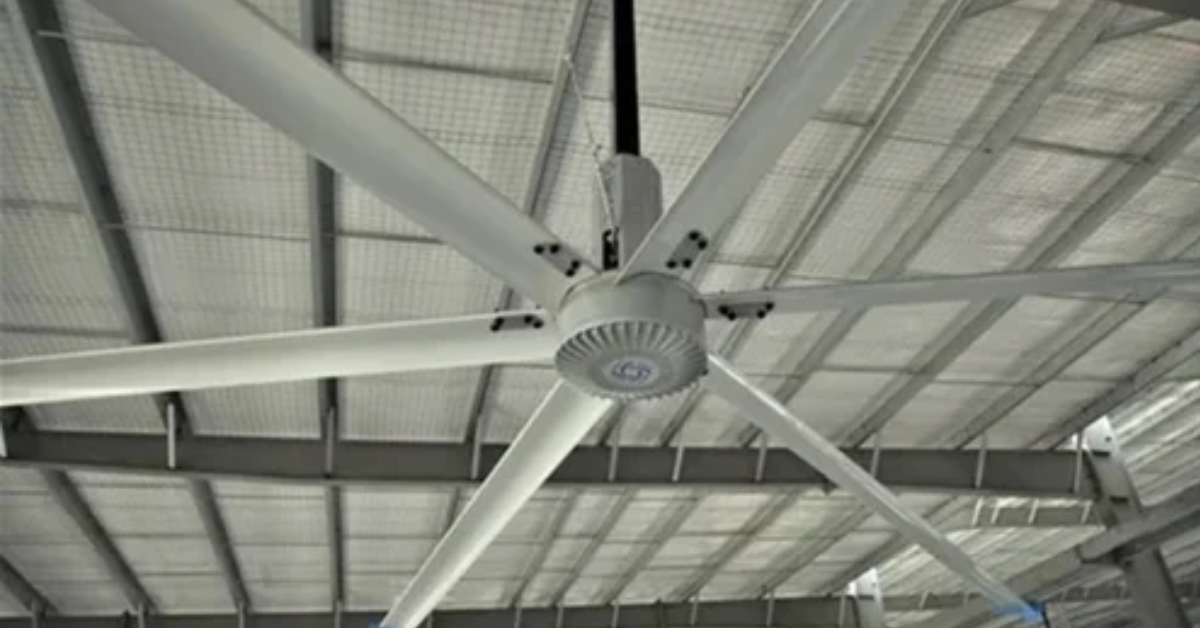
A commercial ceiling fan is a high-performance fan specifically engineered for commercial and industrial environments. These fans typically feature larger blades, stronger motors, and durable materials that can withstand long hours of use. Their primary purpose is to improve air circulation, regulate indoor temperature, and enhance comfort for employees and customers.
They are commonly installed in spaces such as shopping malls, factories, gyms, and auditoriums where standard fans are not sufficient.
Benefits of Using a Commercial Ceiling Fan
1. Improved Air Circulation
One of the biggest advantages of a commercial ceiling fan is its ability to move large volumes of air. This ensures that air is evenly distributed across the space, preventing hot or cold spots.
2. Energy Efficiency
These fans help reduce reliance on air conditioning systems. By improving airflow, they make cooling systems more effective, which ultimately lowers electricity bills.
3. Cost-Effective Cooling Solution
Compared to HVAC systems, installing a commercial ceiling fan is more affordable. It requires less maintenance and provides long-term savings.
4. Enhanced Comfort
Employees and customers benefit from a comfortable environment. Proper airflow reduces humidity and keeps the indoor atmosphere fresh.
5. Versatility
A commercial ceiling fan can be used in various settings, from retail stores to warehouses, making it a flexible solution for different industries.
Types of Commercial Ceiling Fans
1. Industrial Ceiling Fans
These are designed for heavy-duty environments like factories and warehouses. They feature large blades and powerful motors to circulate air in vast spaces.
2. HVLS Fans (High Volume Low Speed)
HVLS fans are ideal for large commercial areas. They operate at low speeds but move a high volume of air, making them energy-efficient and quiet.
3. Outdoor Commercial Fans
These fans are built to withstand weather conditions. They are perfect for patios, outdoor dining areas, and semi-open spaces.
4. Decorative Commercial Fans
Used in restaurants and offices, these fans combine aesthetics with functionality, enhancing the overall interior design.
Key Features to Consider
When choosing a commercial ceiling fan, it’s important to evaluate certain features:
Blade Size and Material
Larger blades cover more area, while materials like aluminum or steel ensure durability.
Motor Power
A strong motor ensures consistent performance, especially in large spaces.
Energy Consumption
Look for energy-efficient models that help reduce operational costs.
Noise Level
Quiet operation is essential, especially in offices and hospitality environments.
Mounting Options
Depending on ceiling height, you may need downrod mounting or flush mounting.
Applications of Commercial Ceiling Fans
A commercial ceiling fan is widely used across different industries:
- Warehouses: Maintains airflow and prevents heat buildup
- Retail Stores: Enhances customer comfort
- Restaurants: Keeps dining areas cool and pleasant
- Gyms: Improves ventilation during workouts
- Offices: Creates a comfortable working environment
These fans are essential in any space where air circulation is a priority.
Installation Tips
Proper installation is key to maximizing the efficiency of a commercial ceiling fan. Always ensure the fan is mounted securely and at the correct height. For high ceilings, longer downrods may be required to bring the fan closer to the occupied space.
It is also advisable to hire professionals for installation, especially in industrial settings. This ensures safety and optimal performance.
Maintenance and Care
Maintaining a commercial ceiling fan is relatively simple but important for long-term use:
- Clean blades regularly to prevent dust buildup
- Check for loose screws or components
- Inspect the motor periodically
- Lubricate moving parts if required
Routine maintenance helps extend the lifespan of the fan and ensures consistent performance.
Why Businesses Should Invest in Commercial Ceiling Fans
Investing in a commercial ceiling fan is a smart decision for businesses looking to improve energy efficiency and indoor comfort. These fans not only reduce cooling costs but also contribute to a healthier and more productive environment.
With rising energy costs, businesses are constantly seeking ways to optimize operations. A commercial ceiling fan offers a practical and affordable solution without compromising on performance.
Future Trends in Commercial Ceiling Fans
Modern commercial ceiling fan designs are evolving with technology. Many models now come with smart controls, allowing users to adjust speed and settings remotely. Energy-efficient motors and eco-friendly materials are also becoming standard features.
As sustainability becomes a priority, businesses are increasingly adopting solutions that reduce their carbon footprint, and these fans play a significant role in achieving that goal.
Conclusion
A commercial ceiling fan is more than just a cooling device; it is a vital component of efficient space management. From improving air circulation to reducing energy costs, these fans offer numerous benefits for commercial and industrial environments.
By choosing the right model and ensuring proper installation and maintenance, businesses can enjoy long-term performance and comfort. Whether it’s a warehouse, office, or retail space, a commercial ceiling fan is a reliable solution for maintaining a pleasant indoor atmosphere.